 Call Us:- 08071930664Call Us:- 08071930664
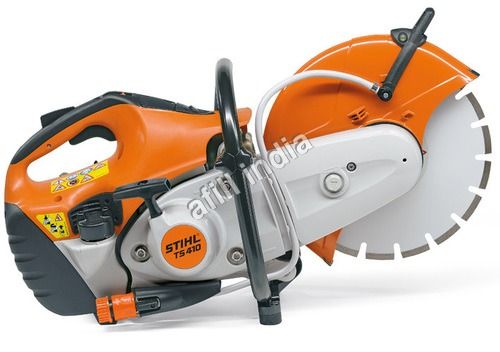
Circular Saws (Rotary Rescue Saws)
Product Details:
- Product Type Rescue Circular Saw
- General Use Rescue and Emergency Cutting
- Material High-Grade Alloy Steel and Durable Polymer
- Type Rotary Rescue Saw
- Capacity Cutting Depth up to 125 mm
- Weight (kg) 10.6 kg
- Computerized No
- Click to View more
X
Circular Saws (Rotary Rescue Saws) Product Specifications
- Manual
- 725 x 245 x 420 mm
- Handheld
- 1
- 220 V
- No
- Rescue Circular Saw
- 10.6 kg
- Red/Black
- 5.6 HP (4.2 kW)
- High-Speed Cutting, Ergonomic Design, Emergency Use
- High-Grade Alloy Steel and Durable Polymer
- Rotary Rescue Saw
- Rescue and Emergency Cutting
- Petrol (Two-Stroke Engine)
- No
- Cutting Depth up to 125 mm
- Forced Air Cooling
- Air-Cooled, 2-Stroke Single Cylinder
- Recoil Pull Start
- 1.1 liters
- 350 mm
- 112 dB(A)
- 3.9 m/s²
- Integrated Blade Guard, Quick-Stop Brake
- 4,800 rpm
- Concrete, Metal, Masonry, Vehicle Bodies
- Digital
Circular Saws (Rotary Rescue Saws) Trade Information
- North India
Product Description
a) Brand "STIHL"
b) Country of Manufacturer Germany, Europe
c) Model TS420
d) Engine Displacement (cm3) 66.7
e) Power Output (hp) 4.4
f) Weight(kg) 9.6
g) Fuel Tank Capacity (l) 0.68
h)Cutting Wheel350 mm
Engine and Cutting Performance
Powered by a petrol-based, air-cooled, 2-stroke single cylinder engine, this rotary rescue saw reaches a maximum speed of 4,800 rpm. The 350 mm blade diameter permits effective cutting through tough materials, including concrete and metal, making it suitable for rescue and emergency scenarios.
Safety and Control Features
To maximize user protection, the saw includes an integrated blade guard and a quick-stop brake system. Its manual recoil pull start ensures easy operation in urgent situations, while the ergonomic design helps minimize operator fatigue during prolonged use.
Application Versatility
Uniquely crafted for rescue teams and emergency responders, the saws high-grade alloy steel blade and robust polymer body enable reliable cutting of vehicle bodies and building materials. Its straightforward to deploy in various Indian rescue environments, offering exceptional cutting speed and accuracy.
FAQs of Circular Saws (Rotary Rescue Saws):
Q: How do you start the Circular Rotary Rescue Saw?
A: The saw uses a manual recoil pull start system. Pull the cord firmly to ignite the engine, and allow the forced air cooling system to regulate temperature during operation.Q: What materials can this rescue saw effectively cut?
A: This rotary saw is designed for emergency cutting through concrete, metal, masonry, vehicle bodies, and other high-resistance materials. Its 350 mm alloy steel blade is suited for a wide range of rescue applications.Q: Where is this rotary rescue saw typically used?
A: This rescue saw is mainly utilized by emergency responders, fire departments, and rescue teams in India for operations where rapid and precise cutting is required, such as vehicle extrications and disaster relief.Q: What safety features are integrated into the saw?
A: Safety is enhanced through an integrated blade guard and a quick-stop brake. These features minimize the risk of accidents and provide immediate blade stopping in emergencies.Q: When is the rotary rescue saw most beneficial?
A: This saw is most valuable during time-sensitive rescue operations, such as clearing debris, cutting through metal or masonry, and accessing trapped individuals in vehicles after accidents or natural disasters.Q: How does the cooling system support prolonged use?
A: The forced air cooling system maintains engine temperature, preventing overheating and enabling longer operational periods during demanding rescue tasks.Q: What are the advantages of the ergonomic design?
A: The ergonomic design reduces user fatigue, improves handling, and facilitates control during high-intensity cutting jobs, contributing to safety and operational efficiency in emergency situations.Tell us about your requirement

Price:
Quantity
Select Unit
- 50
- 100
- 200
- 250
- 500
- 1000+
Additional detail
Mobile number
Email

Other Products in 'Constructions Tools' category


Contact Us

- Afill Tower, G.T Road,Hapur - 245101, Uttar Pradesh, India
- Phone : 08071930664
GST : 09AHPPG2605M1Z2

- Mr. Tarun (Managing Director)
- Mobile : 08071930664
- Mr. Promod Rathore
- Mobile : 08071930664
- Send Inquiry
- STIHL SERVICE WORKSHOP. 368, Mool Chand, Enclave, Mazra, Dehradun - 248171(U.K.)
 Send Inquiry
Products
- Blower
- Cleaning Machine
- Constructions Tools
- Lawn Mowers
- Grass Cutters
- Pruners
- Sprayer Machine
- Wood Cutters
- Gardening Equipments
- Agricultural Machines
- Earth Auger
- Concrete Cutter
- Cutting Tools
- Backpack Blower
- Vacuum Cleaner
- Vacuum Shredder
- Leaf Blower
- Hedge Trimmer
- Water Pump
- Flexi Broom
- Bed & Garden Gloves
- Garden Tools
- Grass Catcher
 Send Inquiry
 Send SMS
AFILL INDIA
All Rights Reserved.(Terms of Use)
Developed and Managed by Infocom Network Private Limited.
Developed and Managed by Infocom Network Private Limited.

